Toronto, Canada: It’s Carnival Time

43°39′09″N 79°22′54″W

ATL ✈️ YYZ

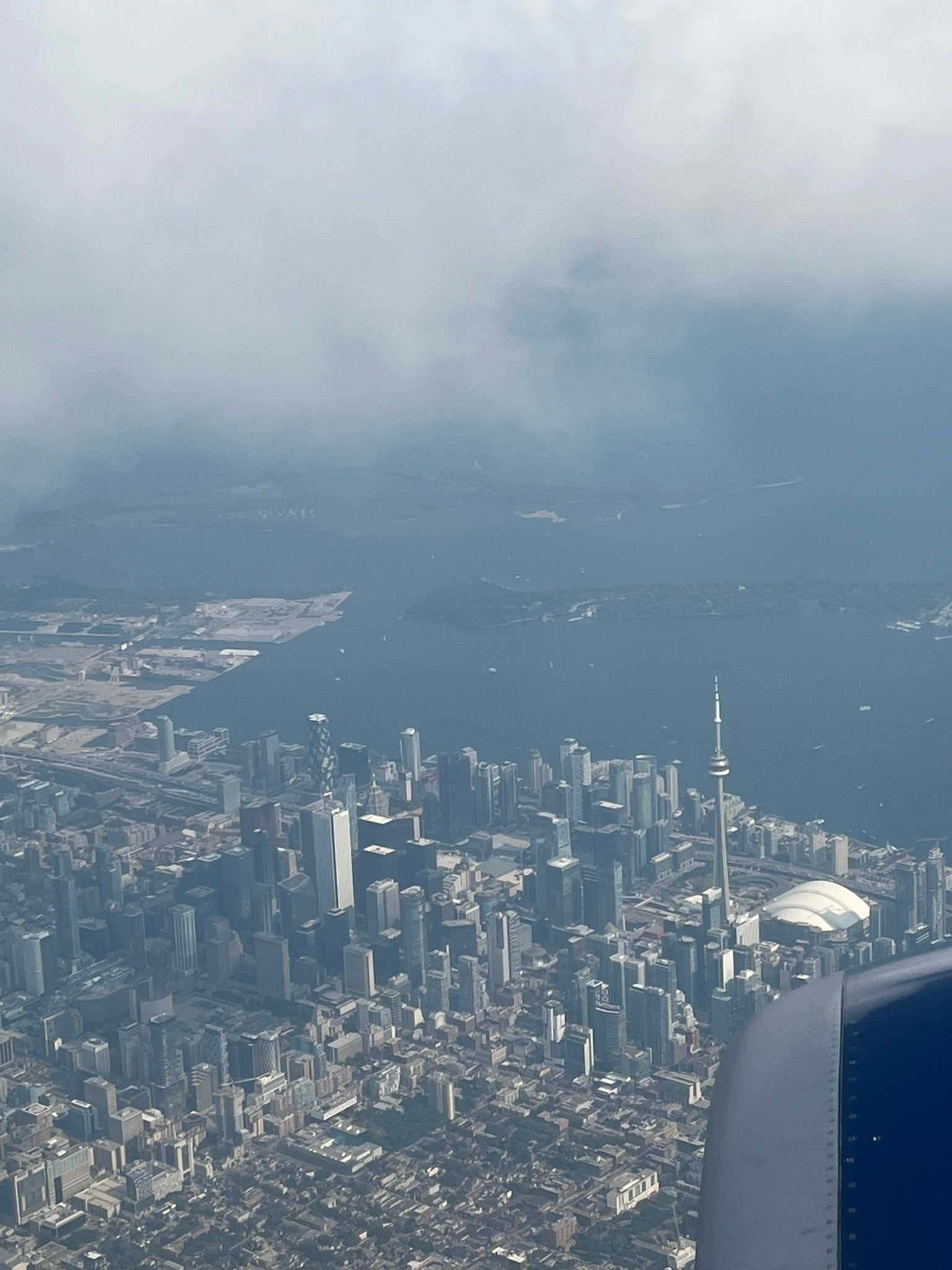
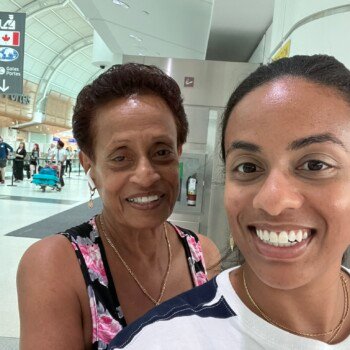
Toronto, Canada. This city has long been one of my favorite destinations, for more reasons than one. First and foremost, I have family here, and there is always something special about being reunited with them. I am especially close with my Aunty Jan, my mum’s sister, and I also have two cousins who live in the city with their families. 

The moment I stepped off the plane, the “liming” began. In Trini slang, to “lime” means to hang out, relax, and socialize. On the drive home from Toronto Pearson Airport, my aunt and I immediately slipped into old conversations and nonstop laughter. Before long, we were at my cousin’s house, talking for hours and catching up as if no time had passed.

My favorite time to visit Toronto is between the last weekend of July and the first weekend in August. The weather is perfect, and more importantly, it is Carnival season. During Carnival, an average bedtime of 2 a.m. is considered early.

The roots of Carnival in Trinidad and Tobago trace back to the late 18th century. What began as a European masquerade ball tradition brought by French settlers was later transformed by enslaved Africans and free people of color, who created their own parallel celebrations. After Emancipation, Carnival evolved into a powerful expression of freedom, resistance, storytelling, and cultural pride.

The main Carnival takes place each year in Trinidad and Tobago on the Monday and Tuesday before Ash Wednesday, but Caribbean communities around the world have created their own versions to preserve and celebrate West Indian culture wherever they have settled. Toronto’s Carnival, Caribana, is one of the largest and most vibrant examples — filled with elaborate costumes, steel pan music, incredible food, and the unmistakable joy and energy that only West Indians can bring to a celebration. In the weeks leading up to the parade, the city comes alive with fêtes or parties held both on land and on boats, building excitement for the main events.

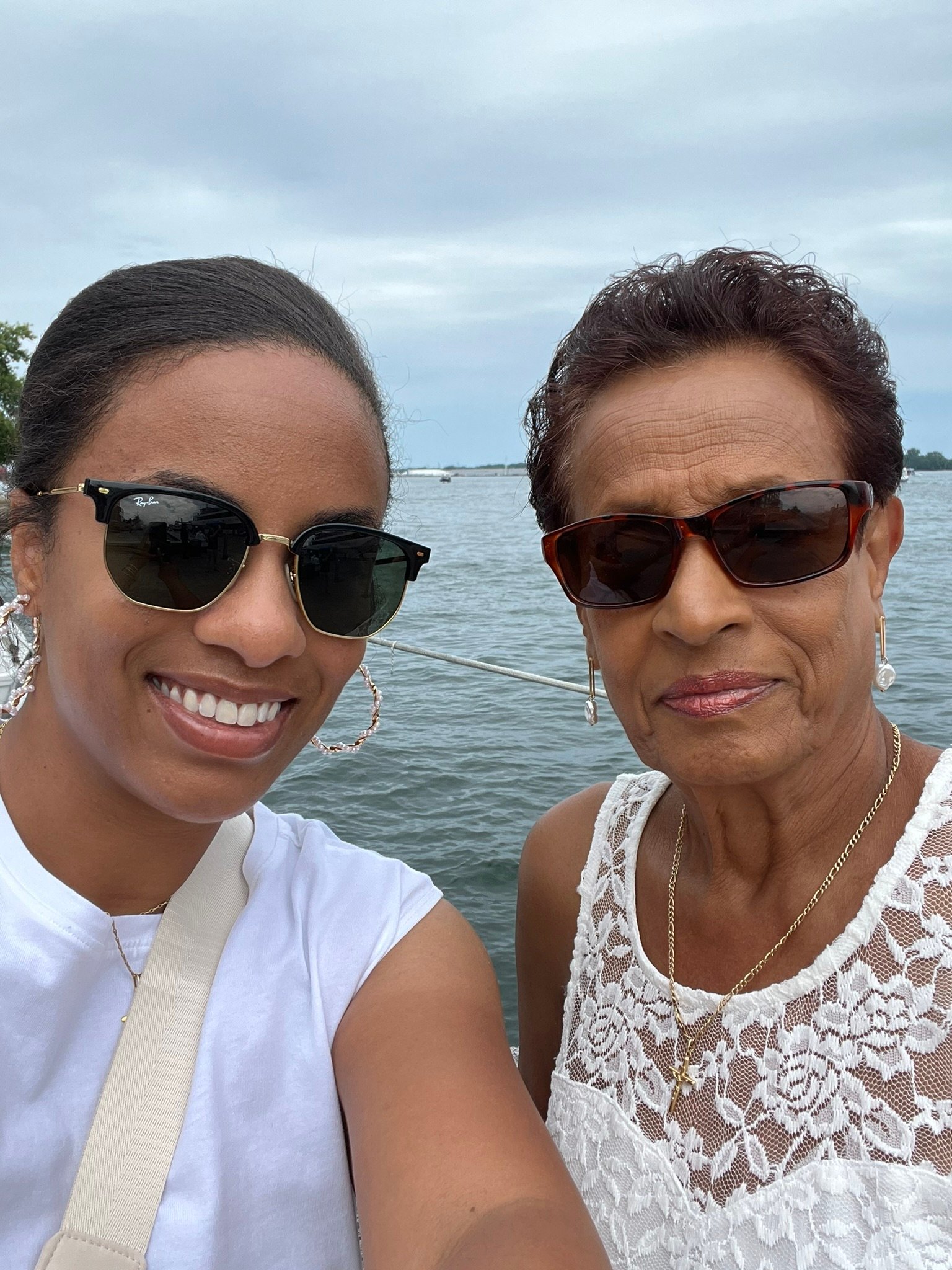
All white boat ride fête (party) aboard the Northern Spirit on Lake Ontario. 

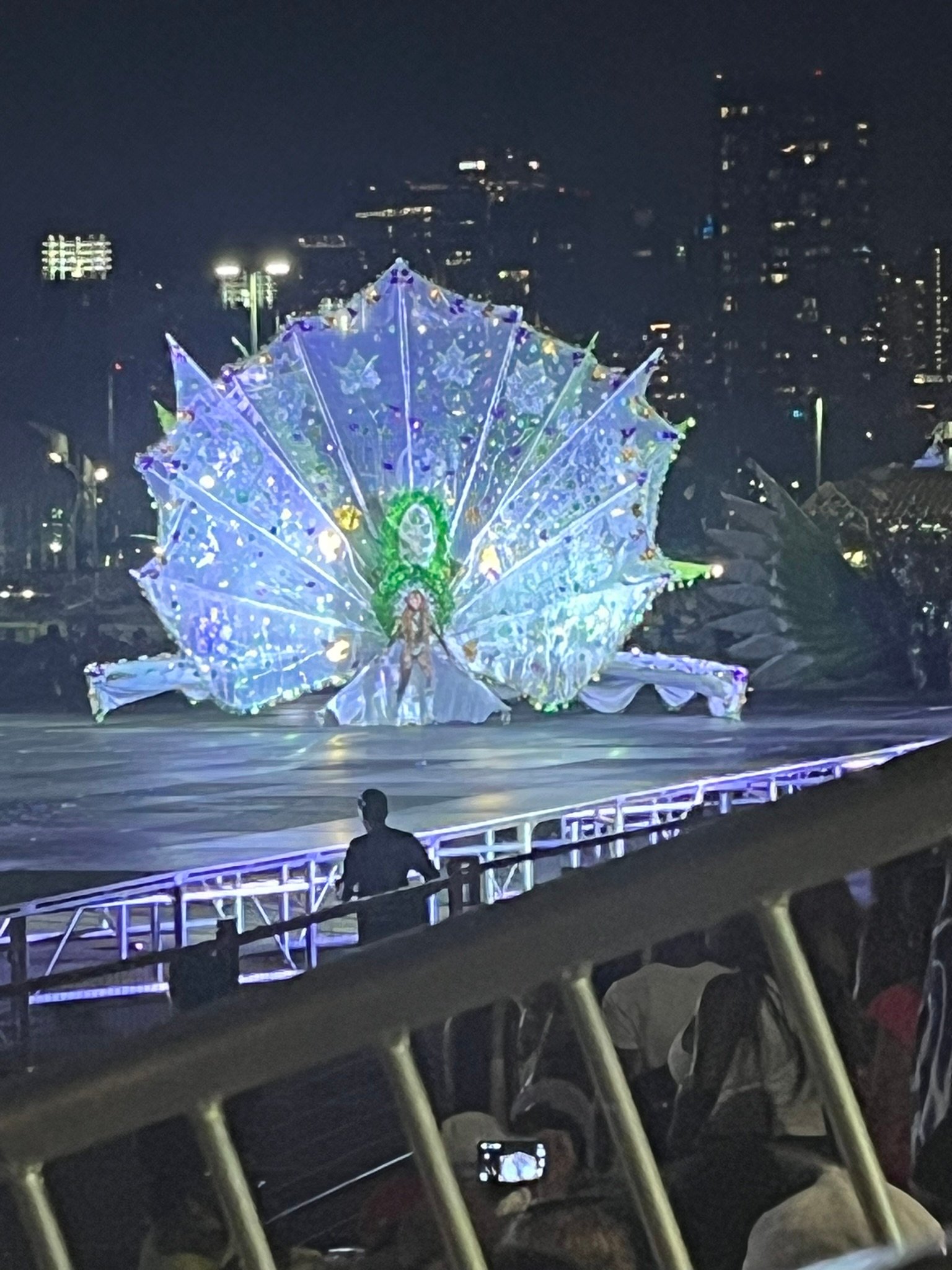
The Thursday night before the parade is the Kings and Queens Competition, where the largest and most elaborate costumes from each band are presented before judges and spectators in hopes of winning the coveted King and Queen of the Bands titles. Friday night brings the electric Steel Pan competition, known as Pan Alive or Panorama. In my opinion, the sounds of steel pan and the sounds of the ocean are the two greatest sounds in the world.

Panorama: The sounds of steel pan. Carnival Friday night.

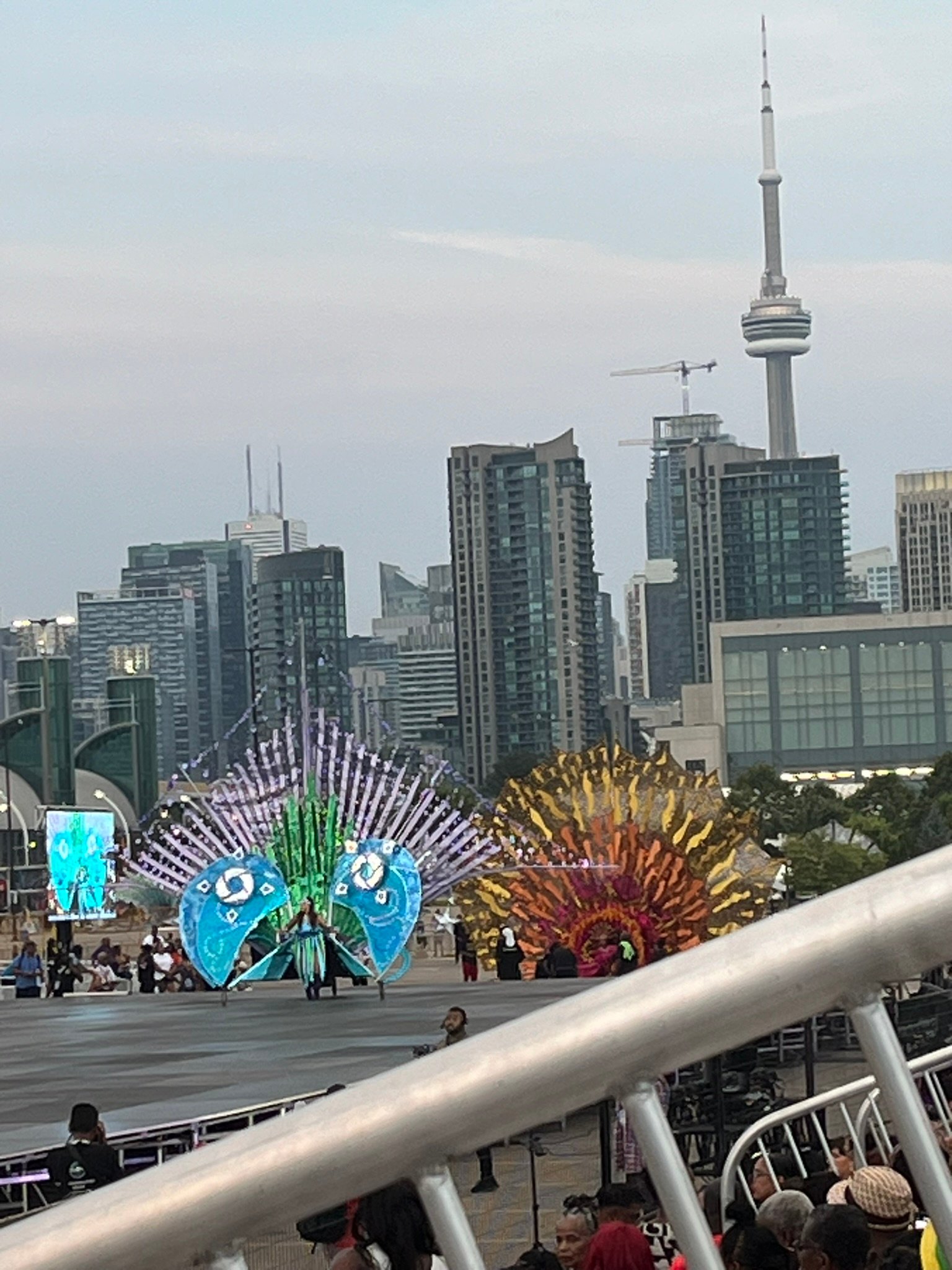
Saturday is the main event: the Caribana Parade. The parade is made up of numerous bands — sometimes as many as 10 to 15, depending on the size of the Carnival. Each band follows an overall theme that is divided into various sections, with every section featuring its own unique costume design. Together, the sections bring the band’s theme to life. During judging, each section’s masqueraders are given a minute or two to chip and wine — traditional Trini dance movements — while showcasing their costumes for the judges.

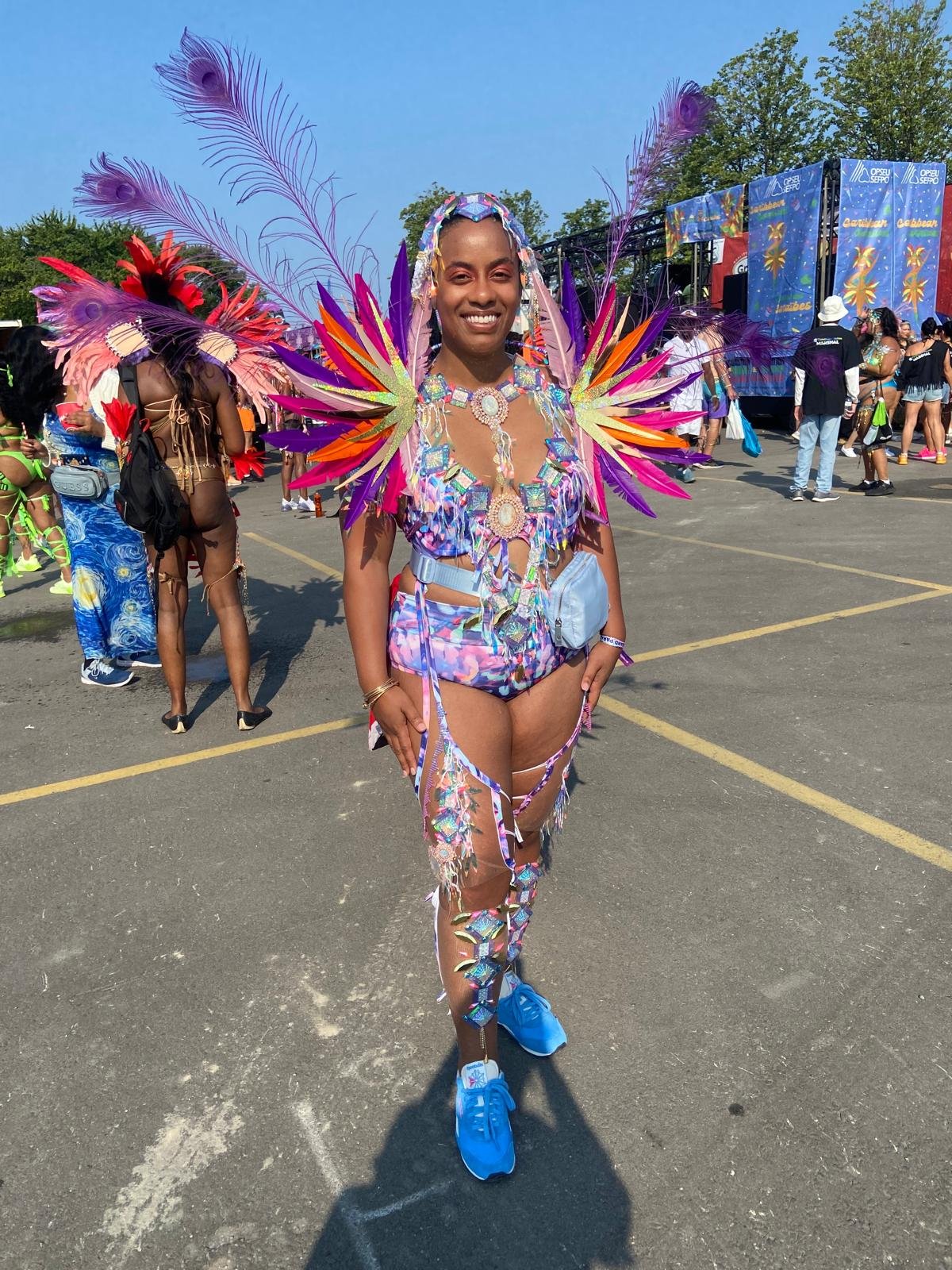
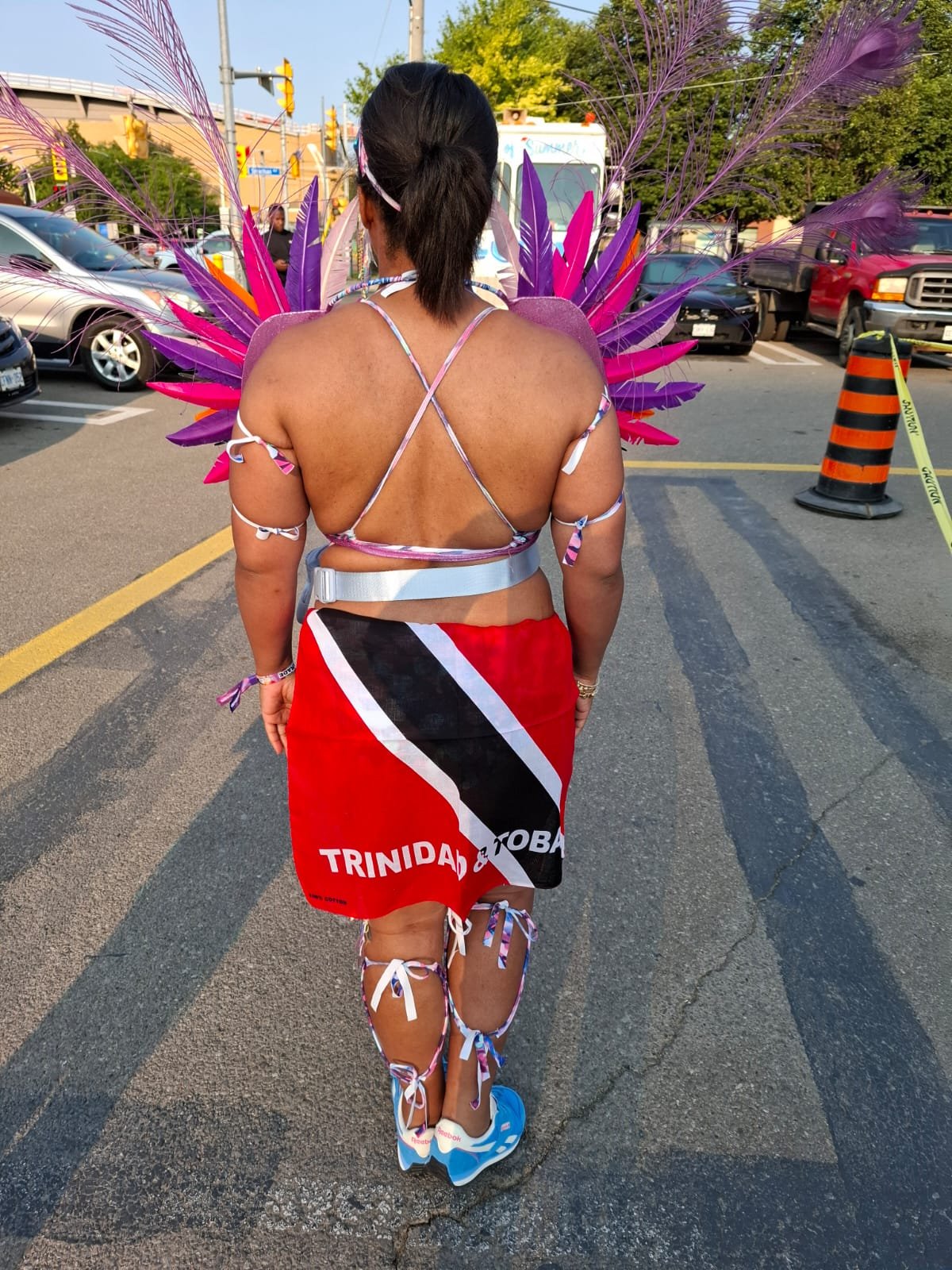
At the end of the parade, each band receives a cumulative score, and the prestigious Band of the Year title is awarded to the band with the highest total. This year was especially meaningful for me because it was my first time truly playing mas (short for ‘Masquerader’) in costume. Years ago, I participated with Scotia Band, whose costumes consisted mainly of T-shirts sponsored by Scotiabank, one of Caribana’s sponsors at the time.

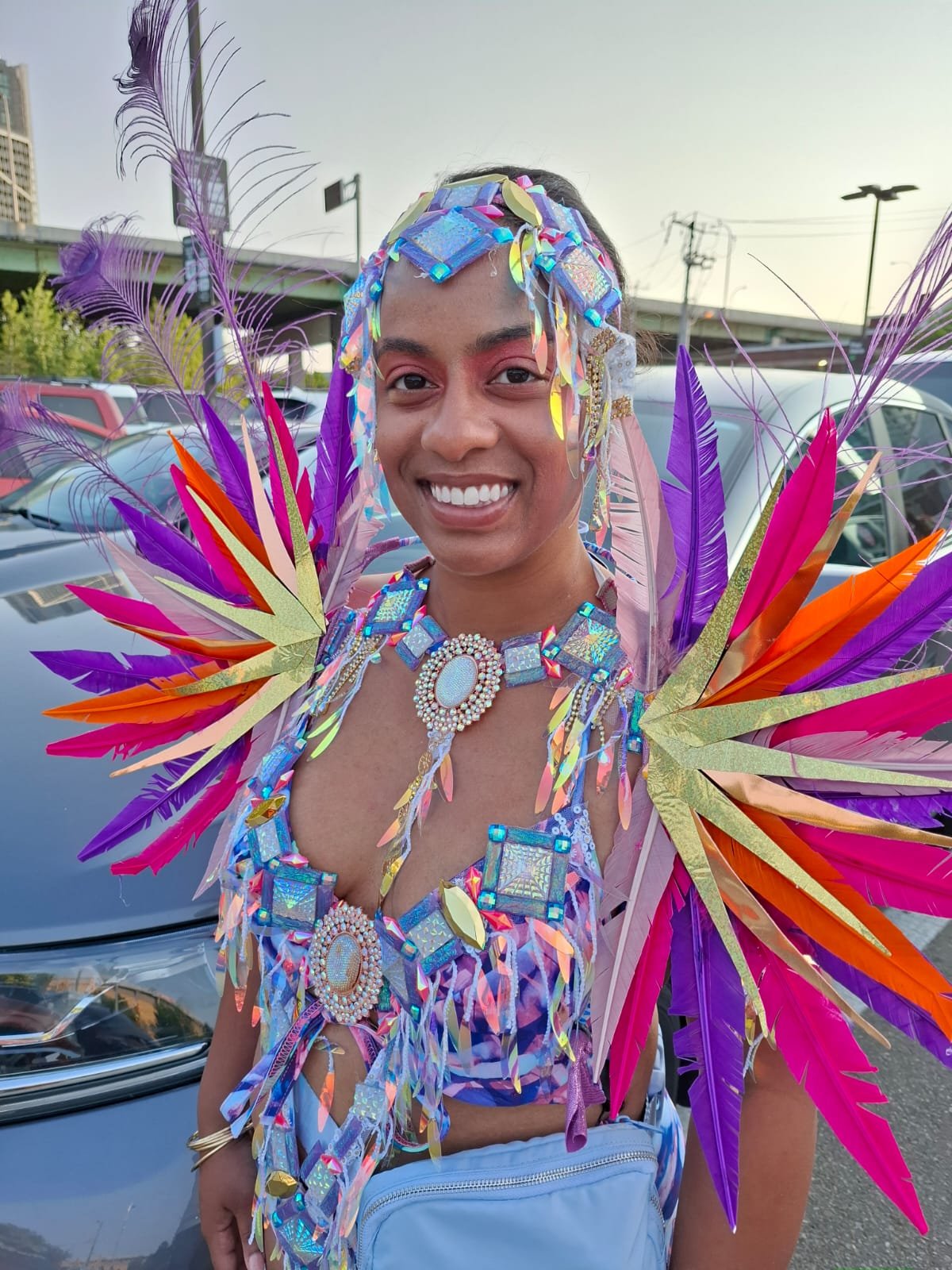
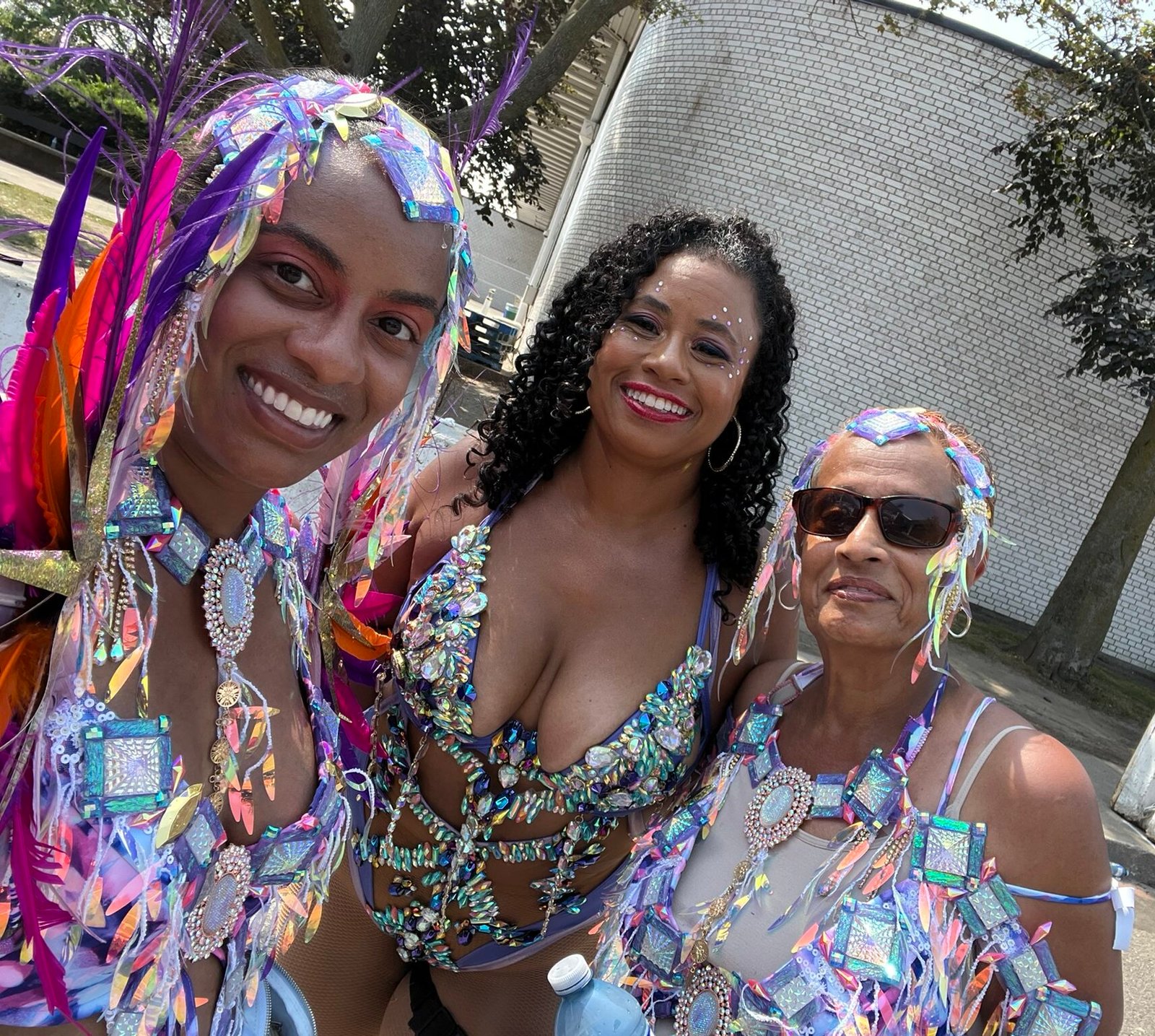
This year, however, I played with the band, Saldenah Carnival, and had an absolutely great time. For more mas pictures, visit the Mas Costumes post.

This year’s Band of the Year winner was the Toronto Revellers, appropriately known as ‘The People’s Band’, led by former NBA player and proud Trinidadian, Jamaal Magloire. Their presentation was spectacular, and I am already excited to play mas with them next year.

My section crossing the stage to be judged during the parade.

Growing up in suburban Atlanta, my parents worked hard to keep our culture alive at home. Whether through home-cooked meals or the Calypso and Steel Pan music my dad played around the house, Trinidad was always present in some way. While there is certainly a West Indian community in Atlanta, it is not as prominent as in cities like Miami, London, New York, or Toronto. As I have gotten older, having access to these traditions and cultural spaces becomes even more important to me. I never want to lose that connection to my roots.

One of the Panorama hosts repeatedly said, “Keep the culture alive.” I love that sentiment. I love seeing the next generation of West Indians carrying the same passion our parents and grandparents had for preserving our traditions, heritage, and sense of community no matter where in the world we gather.

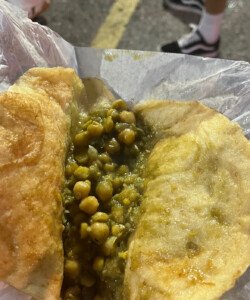
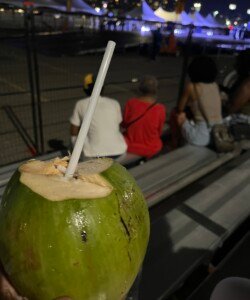
Of course, no trip to Toronto would be complete without indulging in the food. Roti, pelau, doubles, Guinness stout ice cream, fresh coconut — every meal is a reminder of West Indian culture.

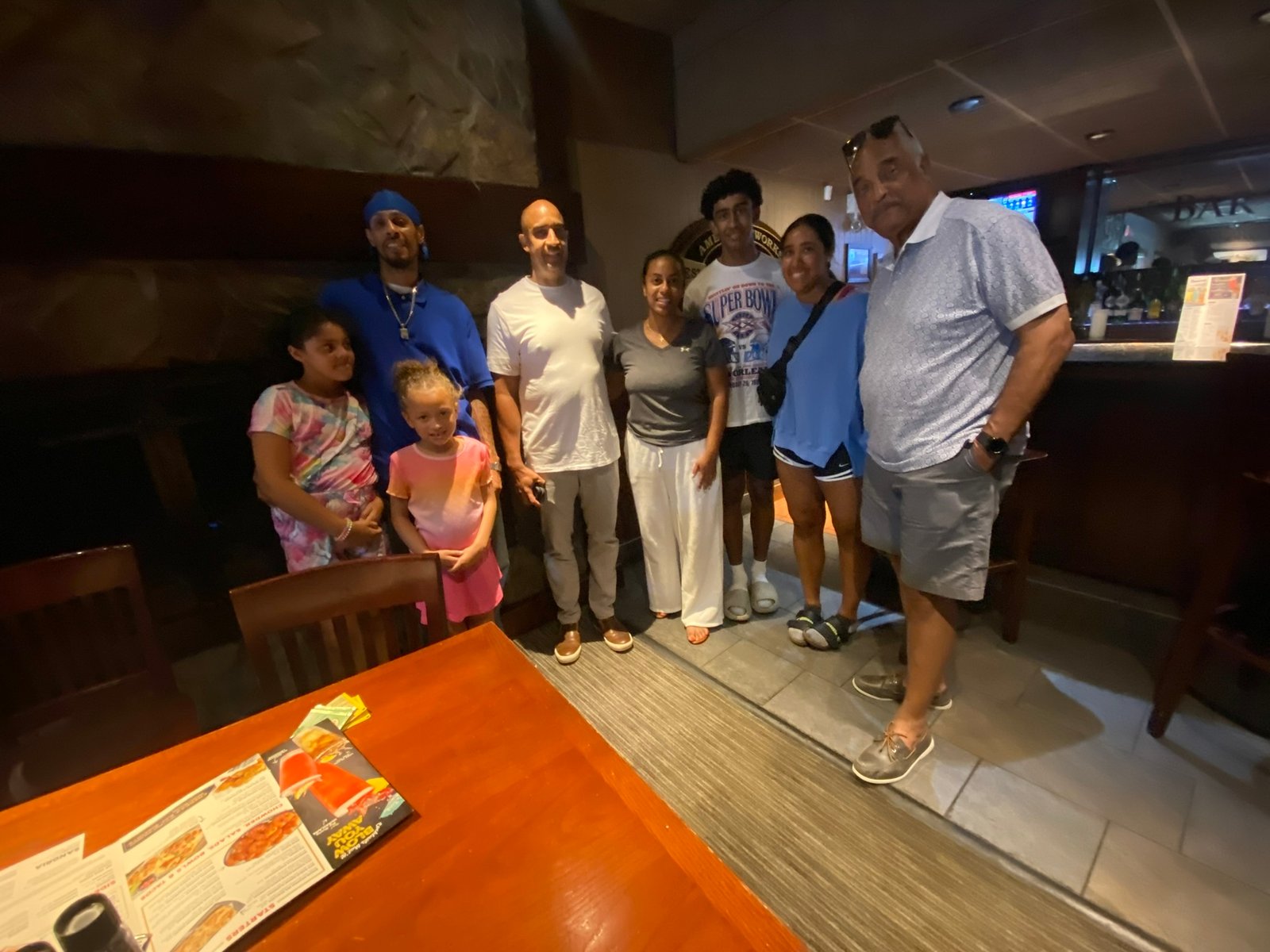
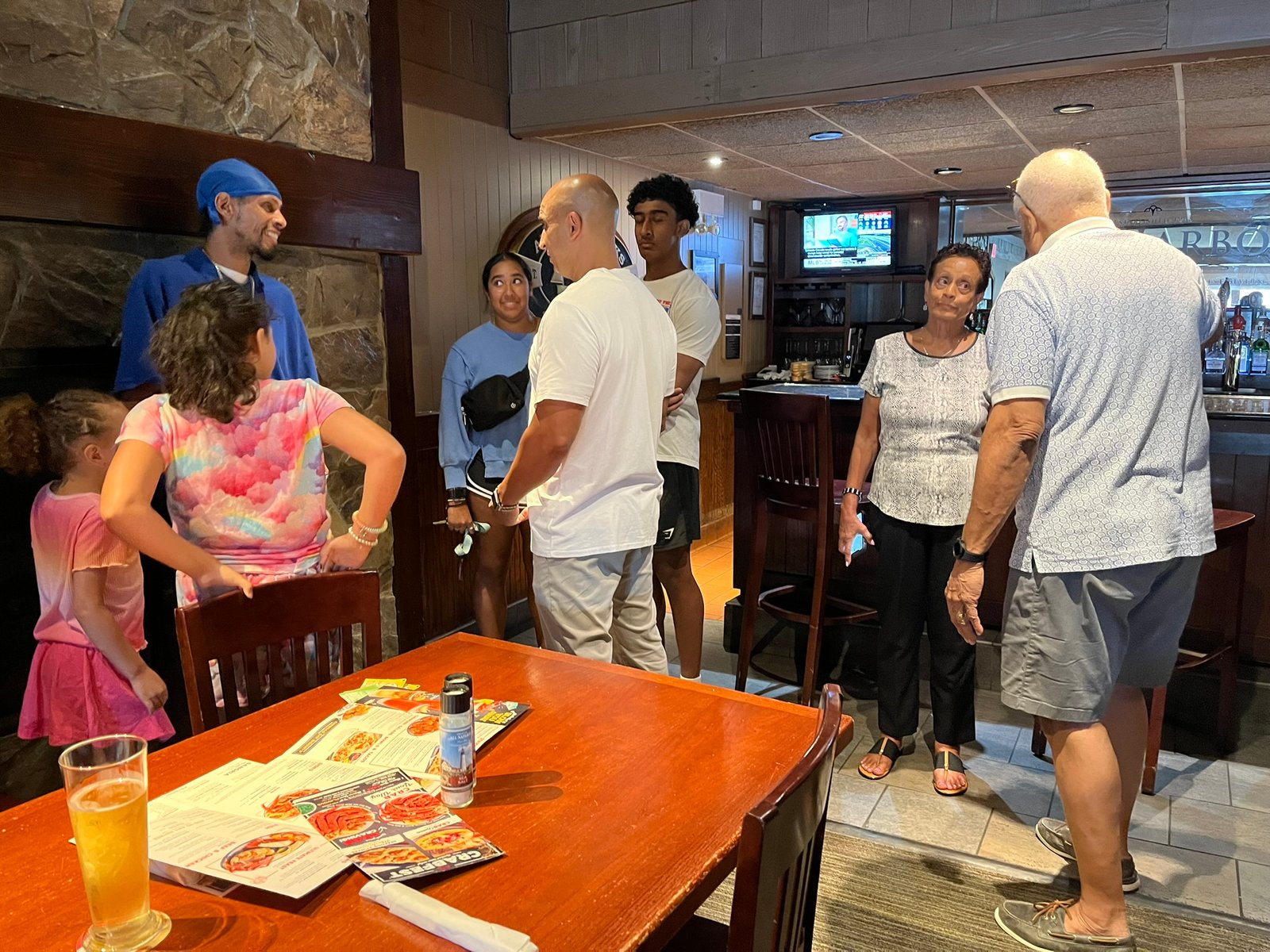
We finished off with a small family reunion at the Red Lobster. That food was good too. LOL. My dad’s best friend, Uncle Stanley, is from Guyana and grew up in Trinidad. He is like an uncle to us. He met us there with his son, Stuart, and his grandchildren. My cousin, Marc and his kids met us there as well.

This was my fourth trip to Toronto, and God willing, there will be many more to come.

Until next year.

With love, Toronto,
Jennelle